

Solar Power in Springfield
Local Solar Experts Serving Springfield, Brisbane
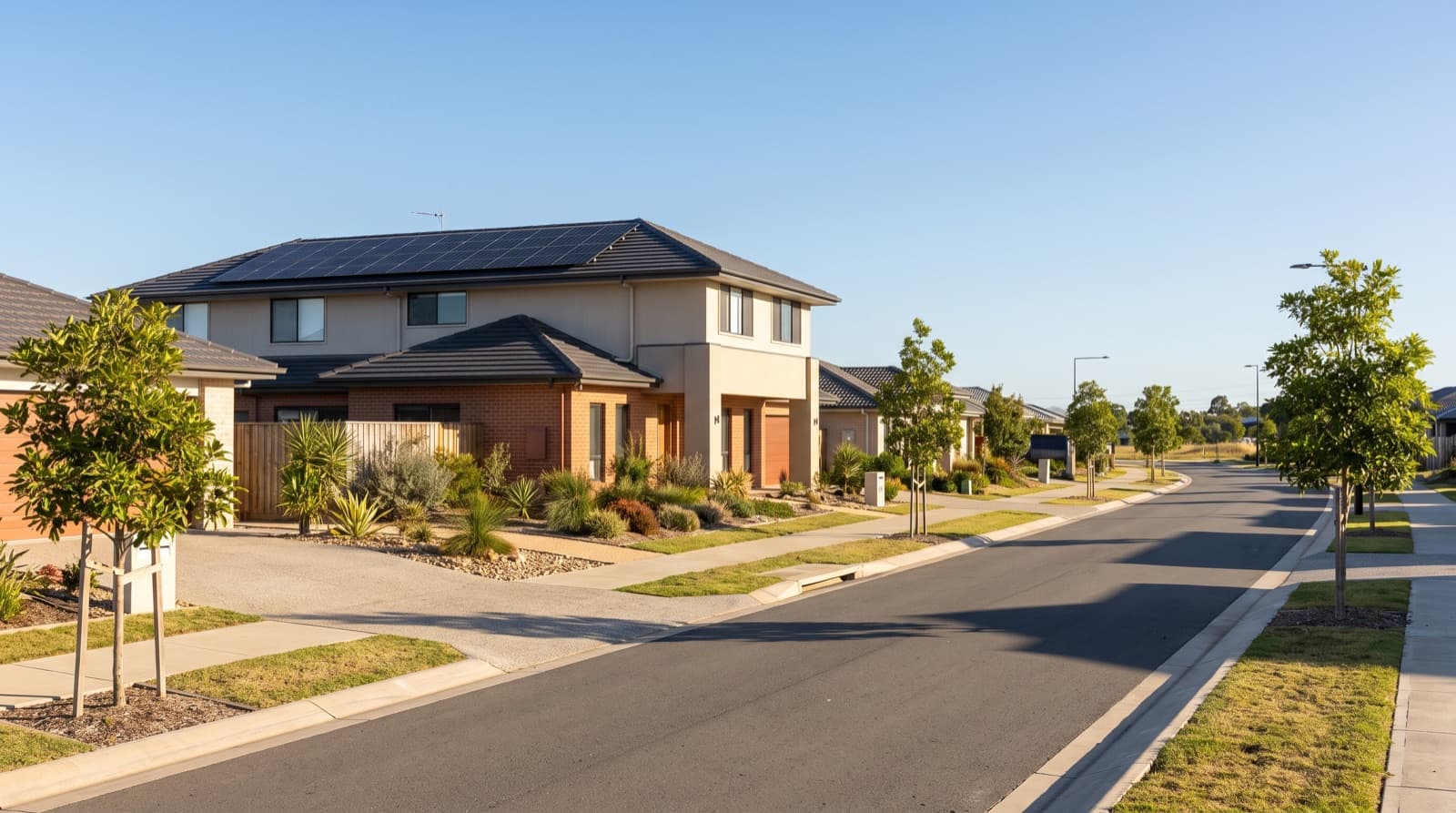
Greater Springfield is one of the largest master-planned communities in the country, so most homes here are newer slab-on-ground builds on compact estate blocks — which is close to the ideal solar install: a simple modern roof, no heritage complications, and a household that runs a lot of daytime air-conditioning through the SE Queensland summer. Springfield sits in the City of Ipswich on the Energex network and in the Clean Energy Regulator's STC Zone 3, the same rating as the rest of greater Brisbane. Feed-in is the deregulated SE QLD market, so the export rate comes down to your retailer.
30-sec · Free · No obligation
Local snapshot
Solar in Springfield, by the numbers
- Distribution network
- Energex (SE Queensland)
- STC zone
- Zone 3 (rating 1.382)
- Avg sun hours
- ~4.5 kWh/m² per day
- Feed-in tariff (SE QLD, 2026)
- Deregulated, no minimum — retailers ~3–10c/kWh
- Main postcode
- 4300 (Springfield, Springfield Lakes, Springfield Central)
New-estate roofs are made for solar
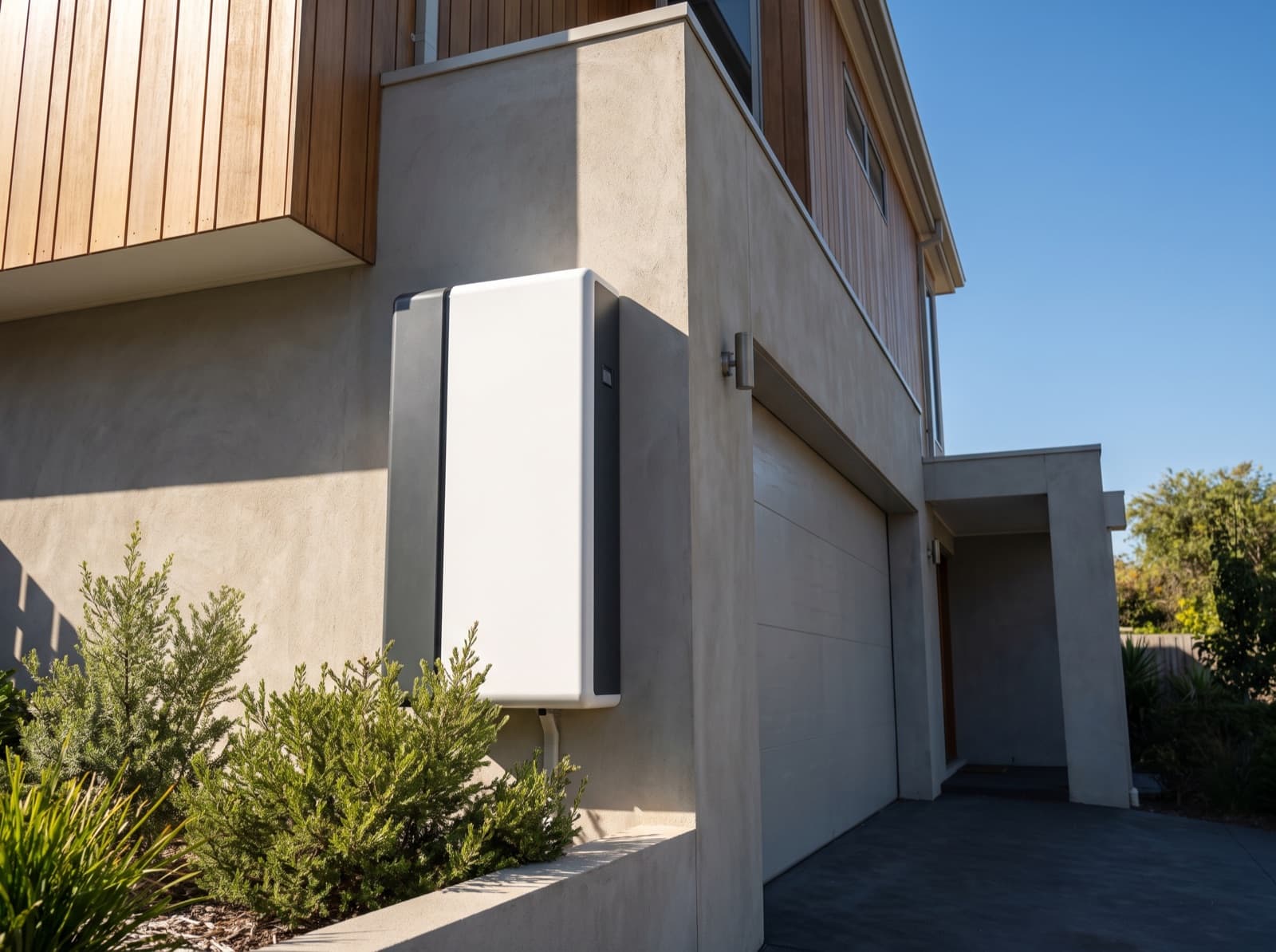
Springfield's housing stock is overwhelmingly post-2005 estate homes — single-level slab builds with straightforward tiled or Colorbond roofs and few of the pitch, shading and structural headaches that older suburbs throw up. That keeps installs clean and quick. The design call that matters here is sizing for the summer cooling load: these homes run hard on air-conditioning through the day, and because a rooftop system generates most in those same hours, sizing to cover that daytime demand (and considering a battery to shift the evening peak) is worth more than chasing the export rate.
Figures verified against the Clean Energy Regulator STC postcode zones and the relevant 2025–26 network and feed-in schedules (Aug 2026). Rebate and tariff values are indicative — your free check returns the current figure for your address.
Why Solar
Why Choose Solar Power in Springfield?
Embrace Solar Energy for Cost Savings and Sustainability.
In Springfield, adopting solar PV systems is a wise choice for your future. Along with the growing environmental benefit, it's a strategic financial decision that pays off. By installing solar panels, you effectively turn your roof into a personal energy generator. Here's what this means for you as a homeowner.
Dramatic Cost Reductions
Break away from heavy reliance on the electricity grid and see a significant drop in energy bills. Australian sunny days make for remarkable energy savings.
Eco-Friendly Living
By choosing solar, you play a vital role in reducing the carbon footprint, fostering a cleaner and more sustainable Springfield and improving our next generation's future.
Enhanced Home Value
Solar installations are more than just functional; they're a value-add investment. Homes equipped with solar systems typically see an increase in their market value.
30-sec · Free · No obligation
How It Works
Understanding Solar PV Systems
Harnessing the Sun's Power Efficiently
A solar PV system converts sunlight into electricity. It consists of solar panels, an inverter, and a metering system. Our consistent sunny climate means more power generation and better efficiency, and with tailored solutions to your specific energy needs and rebates available to help with the cost, now is the time to switch.
30-sec · Free · No obligation
Investment
Investment and Savings Analysis
Balancing Costs with Long-Term Financial Benefits.
The initial investment in solar power pays off in the long run. With solar feed-in tariffs available to Springfield residents, you can earn money back for excess energy exported to the grid. These savings, coupled with reduced electricity bills, make solar power a financially astute choice.
30-sec · Free · No obligation
Process
Navigating the Installation Process
Choosing and installing a solar system in Springfield is straightforward.
Step 01
Assessment
Get a professional assessment to determine the best system for your needs.
Step 02
Installation
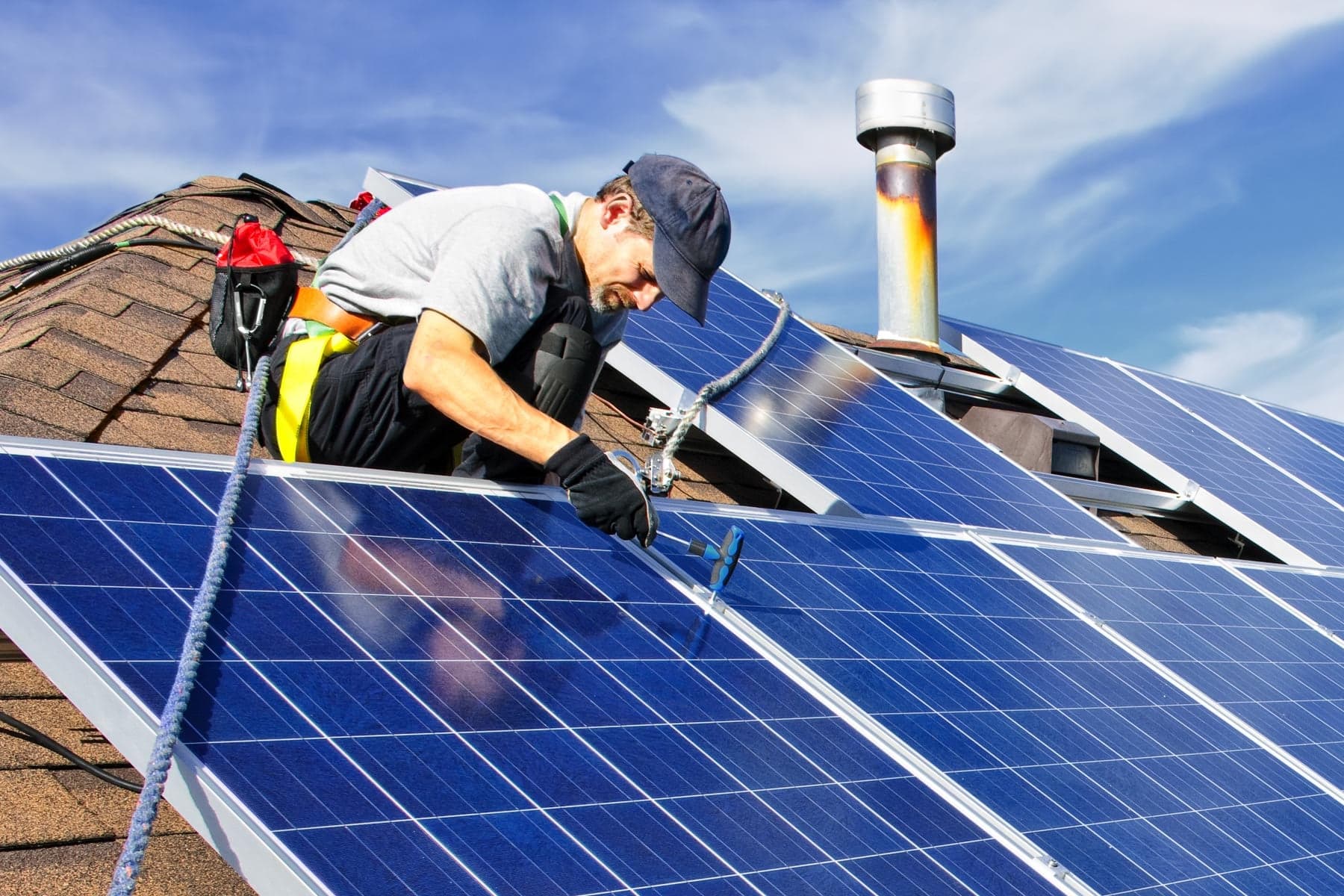
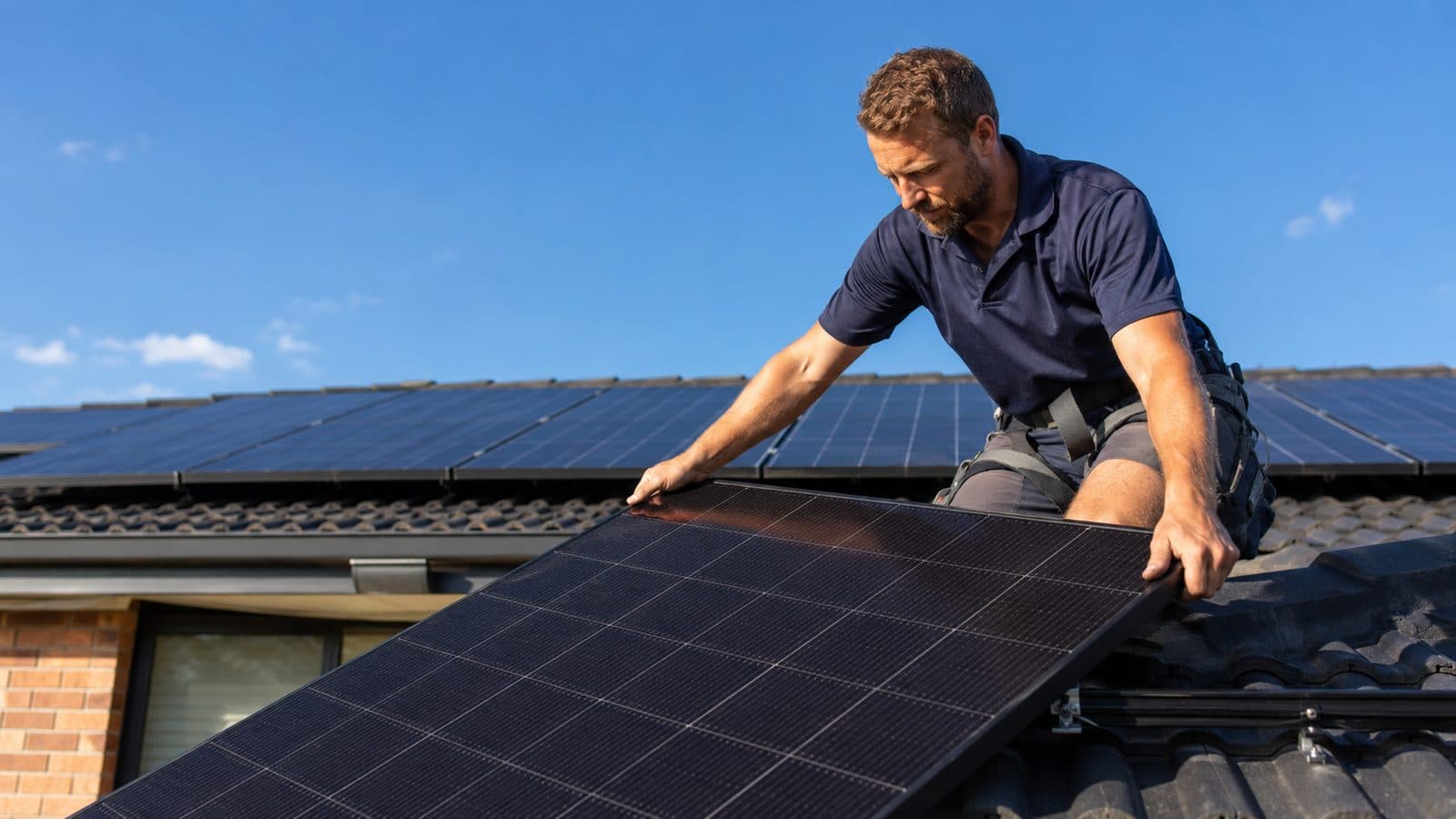
Experienced installers will ensure your system is set up efficiently and safely.
Step 03
Enjoy the Benefits
Once installed, you will immediately see the savings and benefits.
30-sec · Free · No obligation
Incentives
Government Incentives and Policies
Solar More Accessible than Ever.
Springfield residents can take advantage of government incentives to make the transition to solar more affordable. These incentives can significantly reduce the upfront cost, making solar an even more attractive option.
30-sec · Free · No obligation
FAQ
Solar Springfield FAQs
Springfield is on the Energex network in south-east Queensland — the deregulated feed-in market, where retailers set the export rate, rather than the regulated Ergon tariff that applies in regional Queensland further out. Confirm the network on your bill before an installer sets an export limit.
Springfield (postcode 4300) is in STC Zone 3 (zone rating 1.382), the same rating as the rest of greater Brisbane. The federal small-scale certificate (STC) discount off your quote depends on system size and the certificate price on the day — a typical 6.6kW system takes several thousand dollars off the upfront cost. A free eligibility check returns the current figure for your postcode.
SE Queensland has no government-mandated minimum, so Energex-area retailers set their own export rate — commonly around 3–10c/kWh in 2026, with the sharpest offers near the top of that range on selected plans. Because export pays little, self-consuming your solar through the day (or storing it) is worth far more than exporting it.
Absolutely. A quality solar PV system in Springfield can pay off within approximately 2 years due to guaranteed savings on electricity bills, and it will continue generating savings for 15-25 years.
Yes, solar is a renewable and sustainable energy source, becoming increasingly affordable with Australian Government incentives. The return on investment is significant, with long-term savings even after the system is paid off.
Installing a solar system in a new home is highly beneficial. It can pay itself off in a few years and adds substantial value to your property.
A few instances may make solar unsuitable, such as a southwest or south roof orientation, lack of space on the roof, asbestos roofing, or very old and fragile roofing materials.
No, it is unsafe to install solar systems on asbestos roofs due to the health risks involved.
A good quality system includes reputable distributors and installers, quality brands of solar panels and inverters, decent warranties, and quality framing systems.
It varies, but a typical 2 adult, 2 kid household consumes between 15-30kW a day. This can be higher with additional high-energy appliances like pools or air conditioners.
Solar panels do not generate power at night. However, feed-in tariffs can offset grid electricity use during the night.
Yes, solar panels still function on cloudy days but at a reduced efficiency compared to sunny days.
The ongoing costs are minimal, mostly involving maintenance inspections every couple of years and occasional cleaning if panels are installed flat on the roof.
Most home and business insurance policies cover solar power systems, but it is recommended to check with your provider.
Nearby areas
Solar in other Brisbane areas
Before you buy
Solar guides worth reading
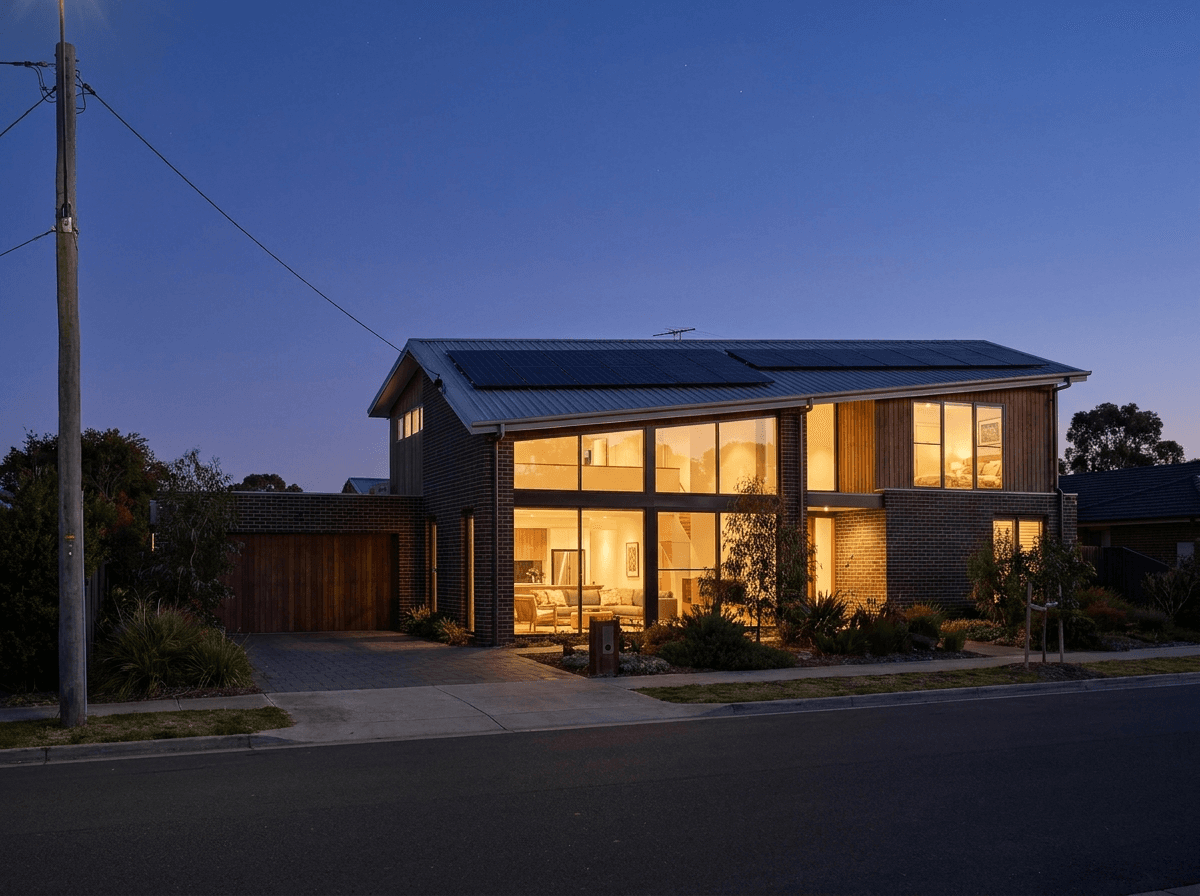
Start Saving With Solar in Springfield
Free, no obligation. Takes under 2 minutes.
30-sec · Free · No obligation