

Solar in Brisbane, and up to $5,200 in 2026 rebates
Check what you'd save and who to trust, in about 30 seconds.
Brisbane gets plenty of sun, and the 2026 federal rebate now covers a big chunk of a solar and battery install. Most homeowners never find out their actual number, so they keep paying their retailer instead. Put in your postcode and we'll show you what you qualify for, then match you with vetted local installers. No calls until you ask.
30-sec · Free · No obligation
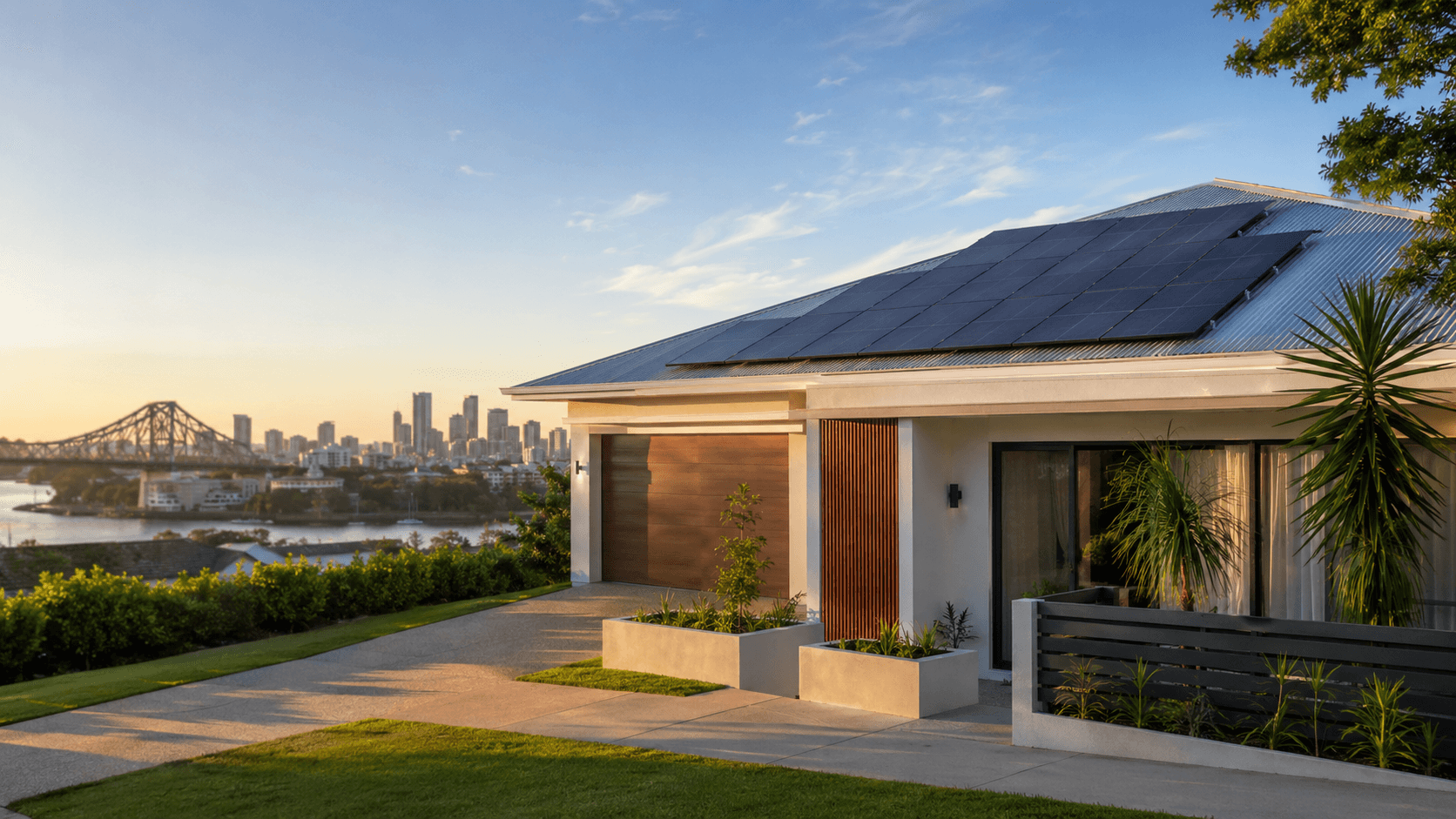
Local snapshot
Solar in Brisbane, by the numbers
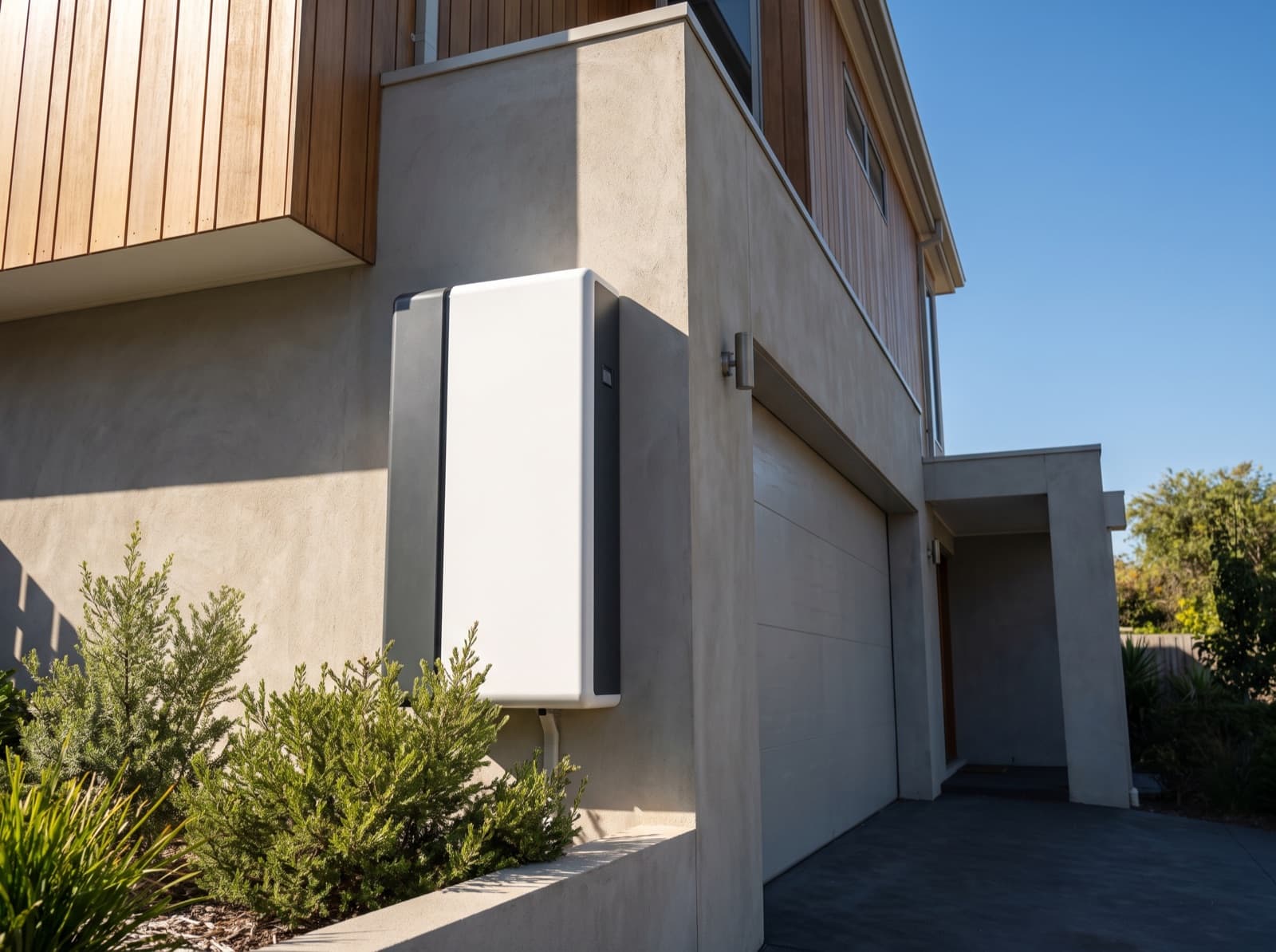
Brisbane has some of the best combined solar economics of any capital: 4.7 peak sun hours per day — more than Sydney, Melbourne or Hobart get — STC Zone 3 (rating 1.382, the same federal-rebate rating as Sydney, Perth and Adelaide), and a deregulated retail market where the sharpest retailers hit around 10c/kWh export. A standard 6.6kW system in Brisbane generates around 11,300 kWh per year, enough to wipe most households' grid imports in daylight hours and feed an additional ~6,500 kWh back to the network. The federal Cheaper Home Batteries rebate (up to about $3,700 off storage) makes stacking solar + battery cheap here; Queensland's own Battery Booster closed in May 2024, so 2026 is federal-only. Energex-network postcodes get fastest connection approvals; Ergon-network regional QLD is a separate story (longer approvals, but premium regional FiTs often available). For Brisbane CBD apartments and townhouses, body-corporate approval is the most common roadblock, we pre-flag that before quoting.
Why Solar
What solar does for a Brisbane home
Lower bills, and a home that's worth more.
In Brisbane, a solar system turns your roof into a small power station. You use what it makes, sell back what you don't, and lean on the grid a lot less. Here's what that means for your household.

Smaller power bills
You draw less from the grid and more from your own roof, so the quarterly bill drops. Brisbane's sunny days do most of the work.

Cleaner energy
Every kilowatt you make on the roof is one less burned somewhere else. Cleaner power for your place, and for Brisbane.

More resale value
Buyers pay more for a home that comes with low power bills built in, so solar tends to lift what your place is worth.
30-sec · Free · No obligation
How It Works
How a solar system works
Sunlight in, power out.
Panels on the roof turn sunlight into electricity, an inverter makes it usable in your home, and a meter tracks what you send back to the grid. Brisbane's sunny climate means the panels earn their keep, and the 2026 rebates take a solid chunk off the upfront cost.
30-sec · Free · No obligation
Investment
What it costs, and what it saves
The upfront cost pays itself back.
The upfront cost is real, but it comes back. You save on every bill, and you earn a feed-in credit for the power you export to the grid. Add the 2026 rebates and the payback usually lands in a few years, not decades.
30-sec · Free · No obligation
Process
How the install happens
Getting solar on your Brisbane roof takes three steps.

Step 01
Assessment
We size the right system for your roof, your usage, and your budget.

Step 02
Installation
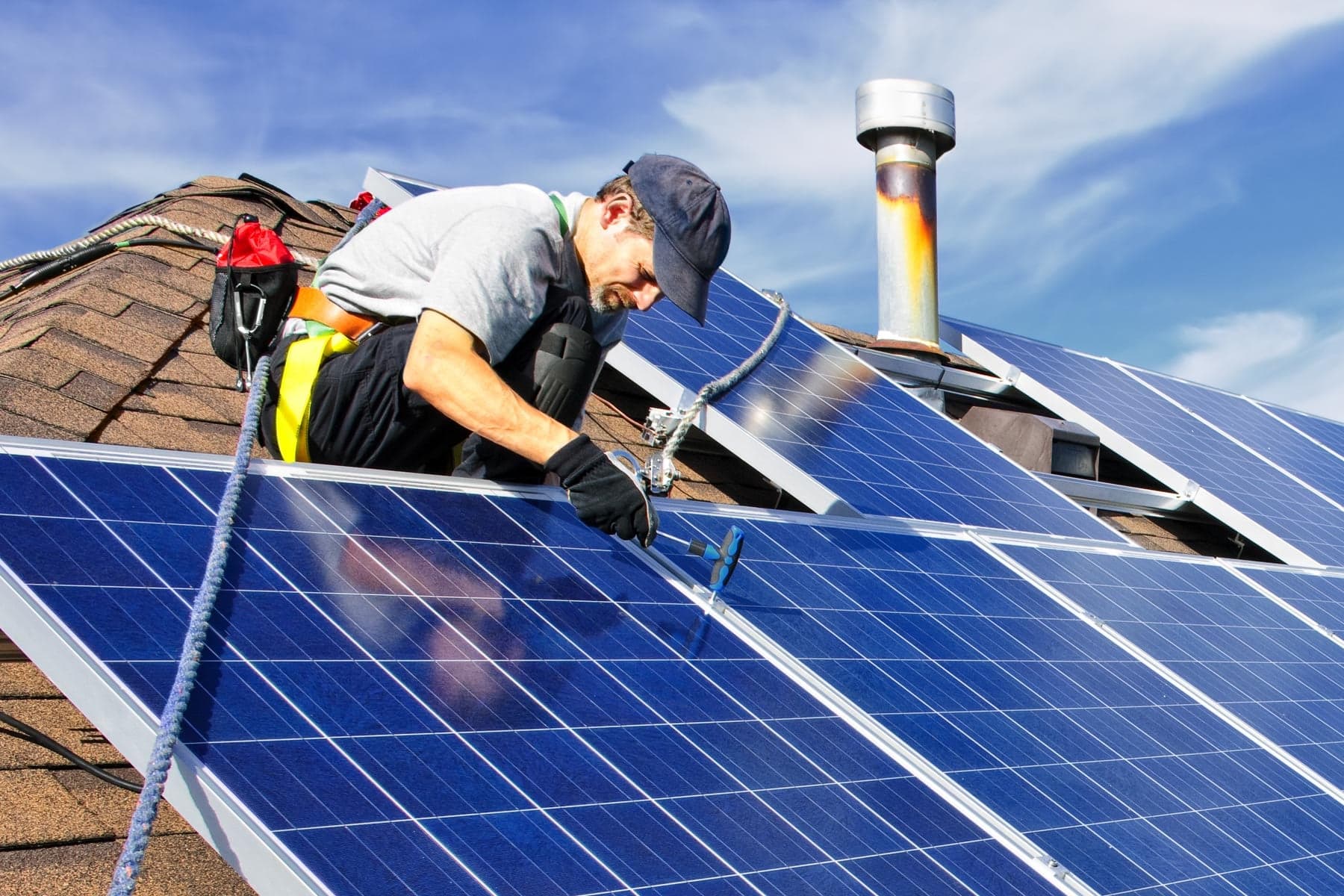
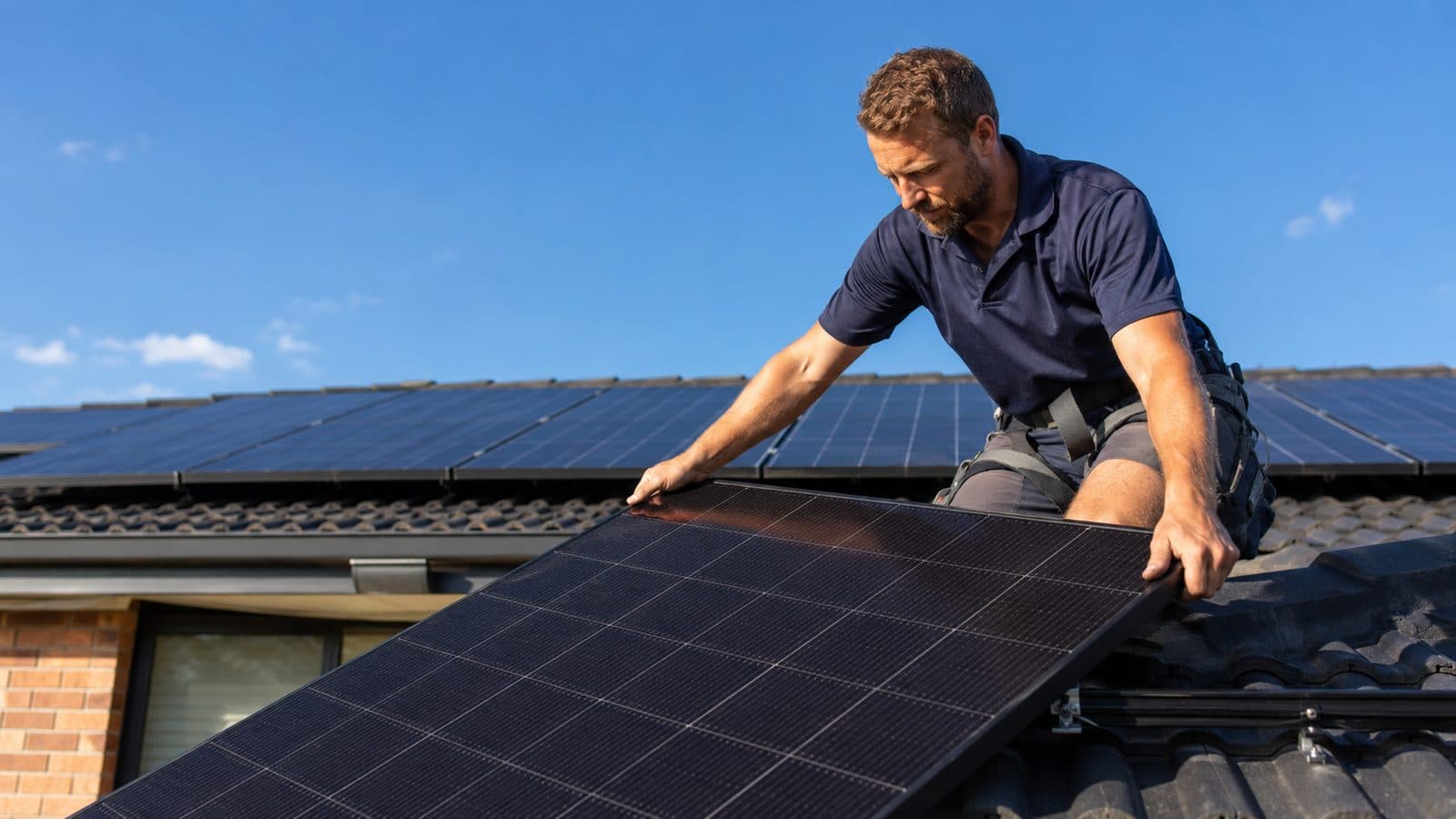
A vetted local installer fits the system, safely and to schedule.

Step 03
See the savings
The panels switch on and your next power bill starts shrinking.
30-sec · Free · No obligation
Incentives
Government Incentives and Policies
The rebates do a lot of the heavy lifting.
Brisbane homeowners can stack the 2026 federal rebate on top of any state support that applies, which knocks a big chunk off the upfront price. We work out exactly what you're eligible for.
30-sec · Free · No obligation
FAQ
Solar Brisbane FAQs
For most homes, yes. A quality solar PV system in Brisbane typically pays for itself within a few years through lower electricity bills, and it keeps generating savings for 15-25 years.
Yes, solar is a renewable and sustainable energy source, becoming increasingly affordable with Australian Government incentives. The return on investment is significant, with long-term savings even after the system is paid off.
Installing a solar system in a new home is highly beneficial. It can pay itself off in a few years and adds substantial value to your property.
A few instances may make solar unsuitable, such as a southwest or south roof orientation, lack of space on the roof, asbestos roofing, or very old and fragile roofing materials.
No, it is unsafe to install solar systems on asbestos roofs due to the health risks involved.
A good quality system includes reputable distributors and installers, quality brands of solar panels and inverters, decent warranties, and quality framing systems.
It varies, but a typical 2 adult, 2 kid household consumes between 15-30kW a day. This can be higher with additional high-energy appliances like pools or air conditioners.
Solar panels do not generate power at night. However, feed-in tariffs can offset grid electricity use during the night.
Yes, solar panels still function on cloudy days but at a reduced efficiency compared to sunny days.
The ongoing costs are minimal, mostly involving maintenance inspections every couple of years and occasional cleaning if panels are installed flat on the roof.
Most home and business insurance policies cover solar power systems, but it is recommended to check with your provider.
Before you buy
Solar guides worth reading
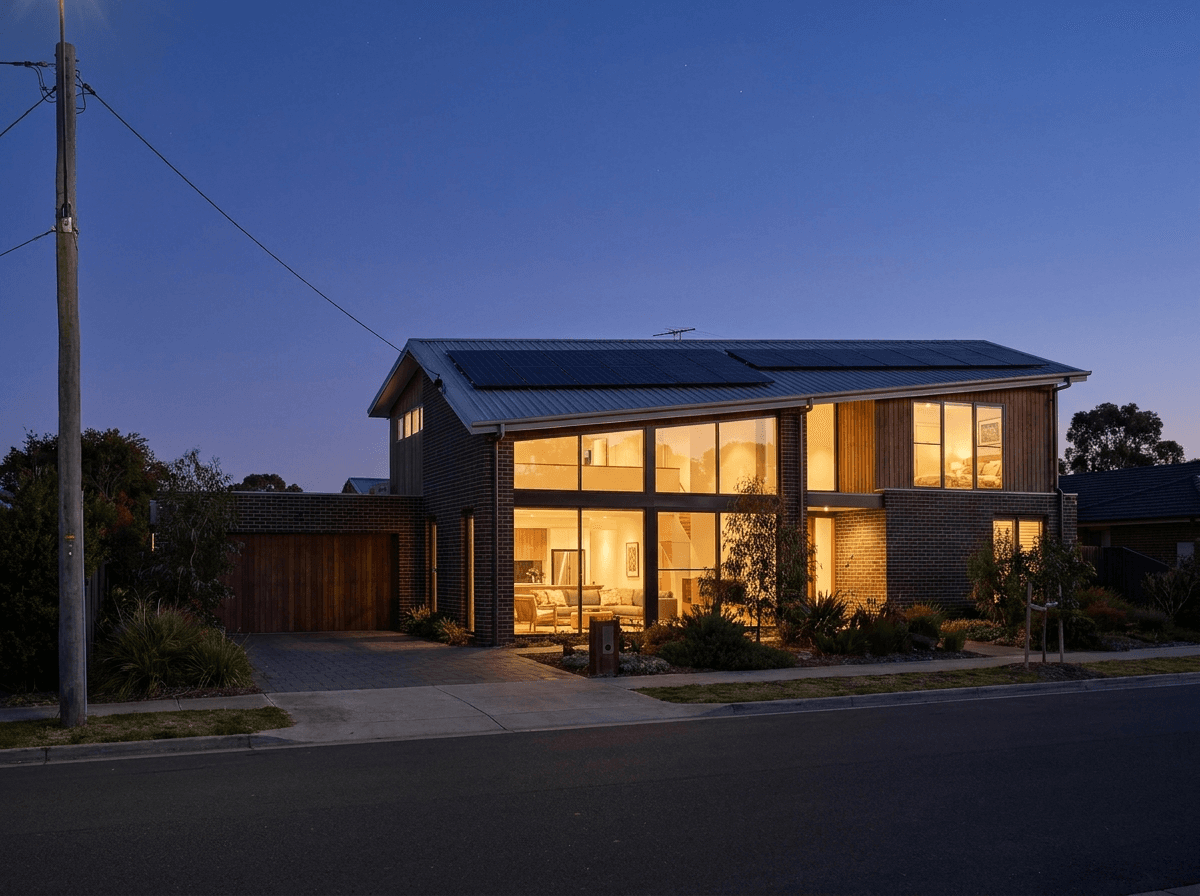
Start Saving With Solar in Brisbane
Free, no obligation. Takes under 2 minutes.
30-sec · Free · No obligation