

Sigenergy has gone from unknown to shortlisted in about two years. Here is the honest read.
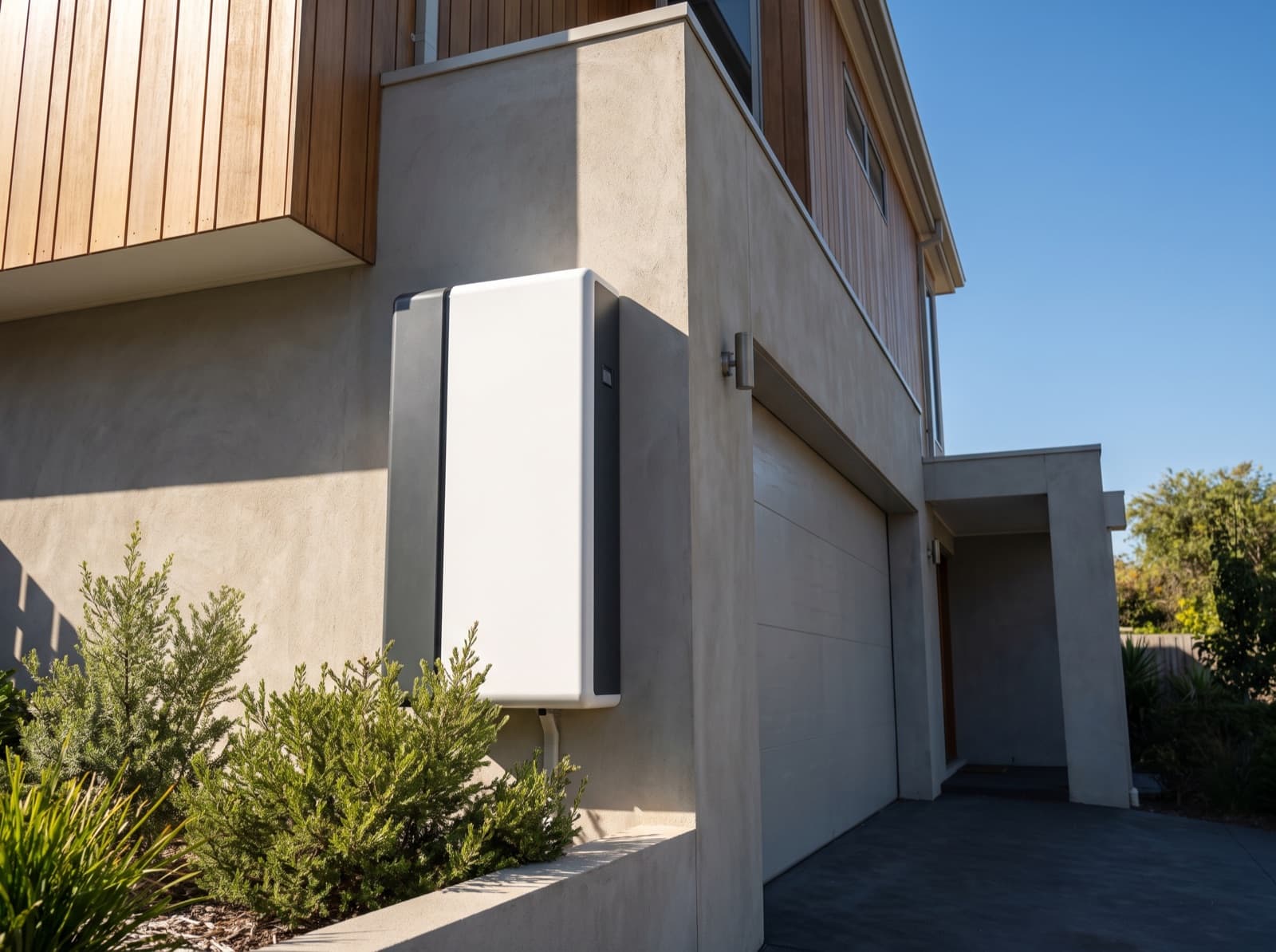
The SigenStor is the battery Australian installers bring up most often as the Powerwall alternative, mostly because it stacks in modules and folds the inverter, battery and optional EV charging into one system.
Here is what it costs installed in Australia in 2026, what the federal rebate takes off, and where it genuinely beats the alternatives.
At a glance
Quick answer: a Sigenergy SigenStor runs roughly $11,500 to $16,500 fully installed in Australia for common residential configurations, and about $8,900 to $12,800 after the federal Cheaper Home Batteries rebate. It is modular (5.2 kWh usable per 5 kWh module, 7.8 kWh per 8 kWh module), the hybrid inverter is built in, and it carries a 10-year warranty. Price moves a lot with stack size and phase type.
What a SigenStor costs installed
Because the SigenStor is modular, there is no single price. Australian installers quote roughly $11,500 to $16,500 fully installed across common residential configurations, with larger stacks going higher.
The federal Cheaper Home Batteries discount is applied by the installer at point of sale, which brings typical configurations down to about $8,900 to $12,800. Because the rebate scales with usable capacity, a bigger stack claims more.
Modularity is the real reason to look at Sigenergy. If you are unsure how much storage you need, starting smaller and adding a module later is easier here than with a fixed-size battery.
The specs that matter
| Spec | Sigenergy SigenStor |
|---|---|
Usable capacity | 5.2 kWh (5 kWh module) or 7.8 kWh (8 kWh module), stackable |
Inverter | Integrated hybrid inverter |
EV charging | Available as part of the system |
Warranty | 10 years |
An honest gap: Australian sources do not publish one reliable continuous power output figure for the whole SigenStor line, because it changes with inverter size and whether you are single or three phase. Ask your installer for the kW rating of the exact configuration they are quoting rather than trusting a generic number.
Is a SigenStor worth it?
It suits you if you want to start with less storage and grow, if you want the inverter and battery as one system, or if EV charging is on your roadmap. Per usable kWh it typically undercuts a Powerwall 3.
It suits you less if you want the largest installer network and the most familiar brand, which is still where Tesla wins, or if you want a single fixed unit and never intend to expand.
See what a battery costs on your roof, with your rebate and payback figures.
Frequently asked questions
Roughly $11,500 to $16,500 fully installed for common residential configurations in 2026, and about $8,900 to $12,800 after the federal Cheaper Home Batteries rebate. Because the SigenStor is modular, the price moves a lot with how many modules you stack.
It is modular: about 5.2 kWh usable per 5 kWh module and 7.8 kWh usable per 8 kWh module, and you stack modules to reach the capacity you want. That is the main difference from a fixed-size battery like the Powerwall 3.
Yes. The SigenStor combines a hybrid inverter and battery in one stack, with EV charging available as part of the system, so you generally do not buy a separate hybrid inverter.
10 years. Australian sources do not publish one reliable continuous power output figure across the whole SigenStor range, so ask your installer for the kW rating of the exact configuration quoted.
Sigenergy usually costs less per usable kWh and lets you start small and add modules later, which suits people unsure of their storage needs. The Powerwall 3 is a fixed 13.5 kWh unit with the largest installer network and the most familiar brand and app. Both have integrated inverters and 10-year warranties.