

Solar Power in Brighton
Local Solar Experts Serving Brighton, Melbourne
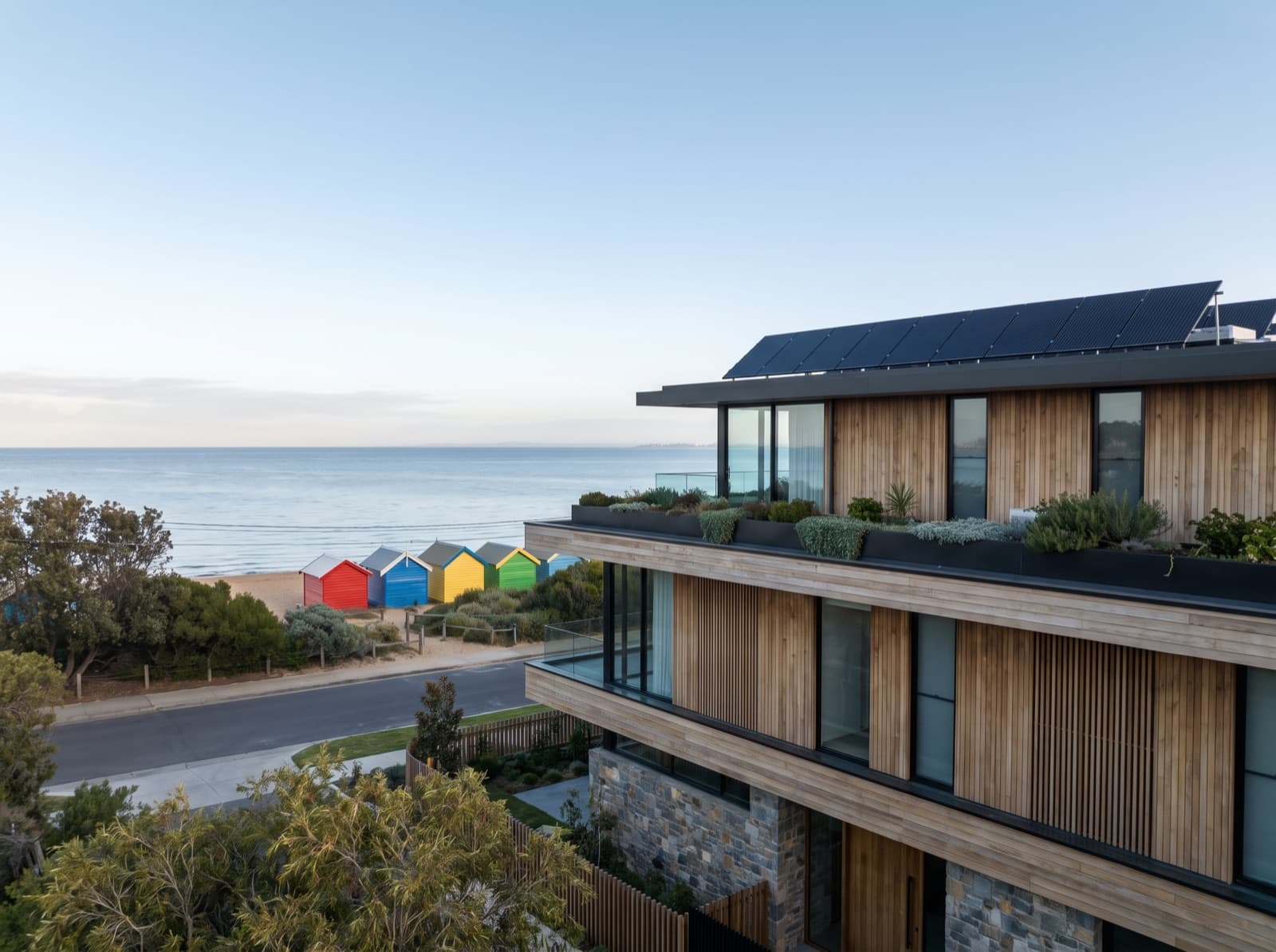
Brighton, Melbourne's best-known bayside suburb, sits right on Port Phillip Bay, and that coastal position is the one thing worth planning around. Homes here are on the United Energy network and, like all of Melbourne, in the Clean Energy Regulator's STC Zone 4 (rating 1.185, the lowest zone), so a system earns fewer certificates than the sunnier north. But Brighton's large homes run big power bills, and with Victoria having scrapped its minimum feed-in tariff in July 2025, using your own solar is worth far more than exporting it. The salt air means mounting should be coastal-rated.
30-sec · Free · No obligation
Local snapshot
Solar in Brighton, by the numbers
- Distribution network
- United Energy
- STC zone
- Zone 4 (rating 1.185)
- Avg sun hours
- ~3.7 kWh/m² per day
- Feed-in tariff (VIC, 2026)
- ~2–8c/kWh, no minimum (VIC ended its min Jul 2025)
- Main postcode
- 3186
Big bayside homes, salt air, low export
Two things shape a Brighton install. The homes are large and often run heavy air-conditioning and pool loads, so a well-sized system self-consuming its own power cuts a big bill — and with Victoria's minimum feed-in tariff gone since July 2025, that self-consumption is where nearly all the value now sits. Second, it's right on the bay, so mounting and fixings should be coastal-rated to resist salt corrosion. Zone 4 means slightly fewer certificates than the north, but the high local power bills more than make up for it.
Figures verified against the Clean Energy Regulator STC postcode zones and the relevant 2025–26 network and feed-in schedules (Aug 2026). Rebate and tariff values are indicative — your free check returns the current figure for your address.
Why Solar
Why Choose Solar Power in Brighton?
Embrace Solar Energy for Cost Savings and Sustainability.
In Brighton, adopting solar PV systems is a wise choice for your future. Along with the growing environmental benefit, it's a strategic financial decision that pays off. By installing solar panels, you effectively turn your roof into a personal energy generator. Here's what this means for you as a homeowner.
Dramatic Cost Reductions
Break away from heavy reliance on the electricity grid and see a significant drop in energy bills. Australian sunny days make for remarkable energy savings.
Eco-Friendly Living
By choosing solar, you play a vital role in reducing the carbon footprint, fostering a cleaner and more sustainable Brighton and improving our next generation's future.
Enhanced Home Value
Solar installations are more than just functional; they're a value-add investment. Homes equipped with solar systems typically see an increase in their market value.
30-sec · Free · No obligation
How It Works
Understanding Solar PV Systems
Harnessing the Sun's Power Efficiently
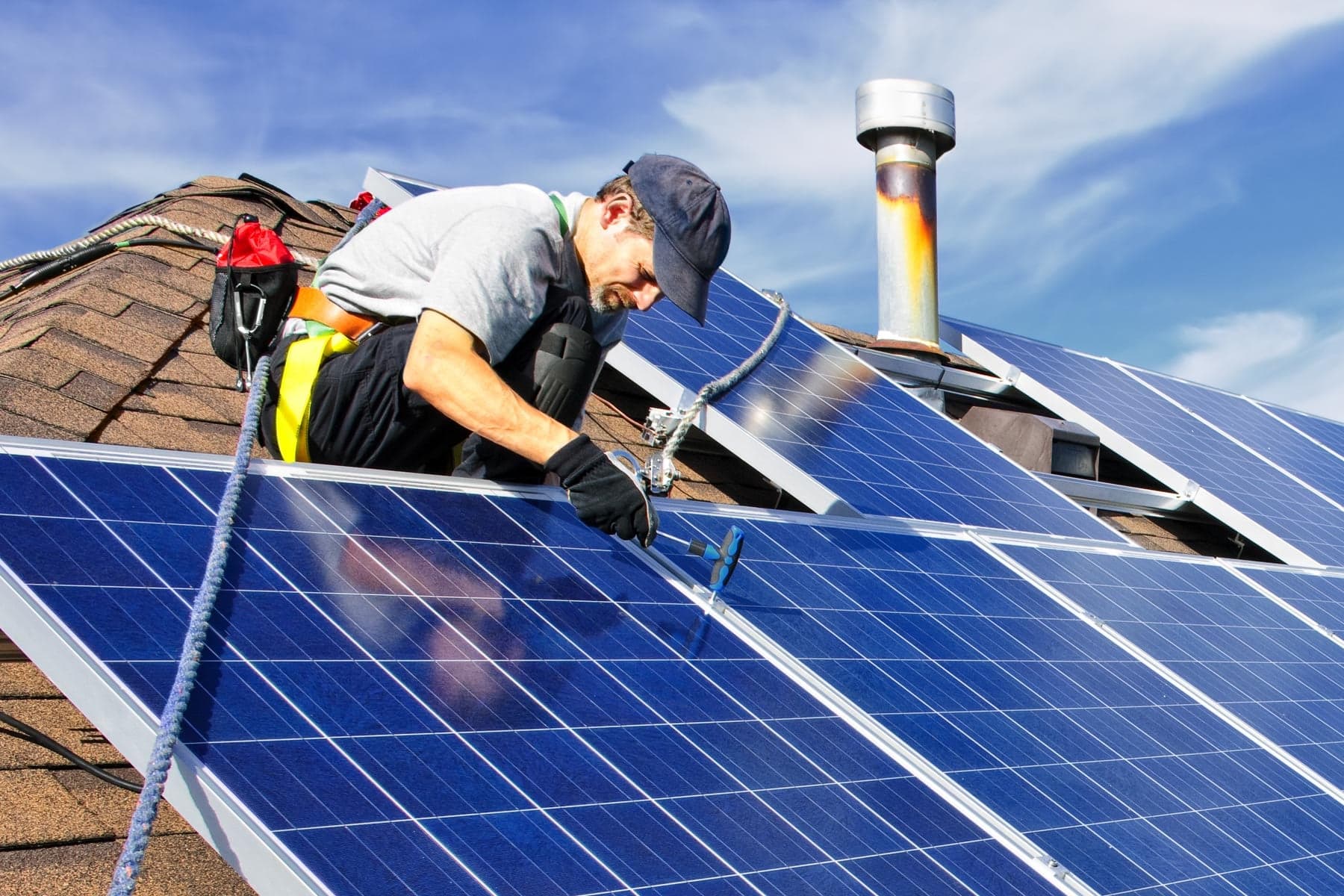
A solar PV system converts sunlight into electricity. It consists of solar panels, an inverter, and a metering system. Our consistent sunny climate means more power generation and better efficiency, and with tailored solutions to your specific energy needs and rebates available to help with the cost, now is the time to switch.
30-sec · Free · No obligation
Investment
Investment and Savings Analysis
Balancing Costs with Long-Term Financial Benefits.
The initial investment in solar power pays off in the long run. With solar feed-in tariffs available to Brighton residents, you can earn money back for excess energy exported to the grid. These savings, coupled with reduced electricity bills, make solar power a financially astute choice.
30-sec · Free · No obligation
Process
Navigating the Installation Process
Choosing and installing a solar system in Brighton is straightforward.
Step 01
Assessment
Get a professional assessment to determine the best system for your needs.
Step 02
Installation
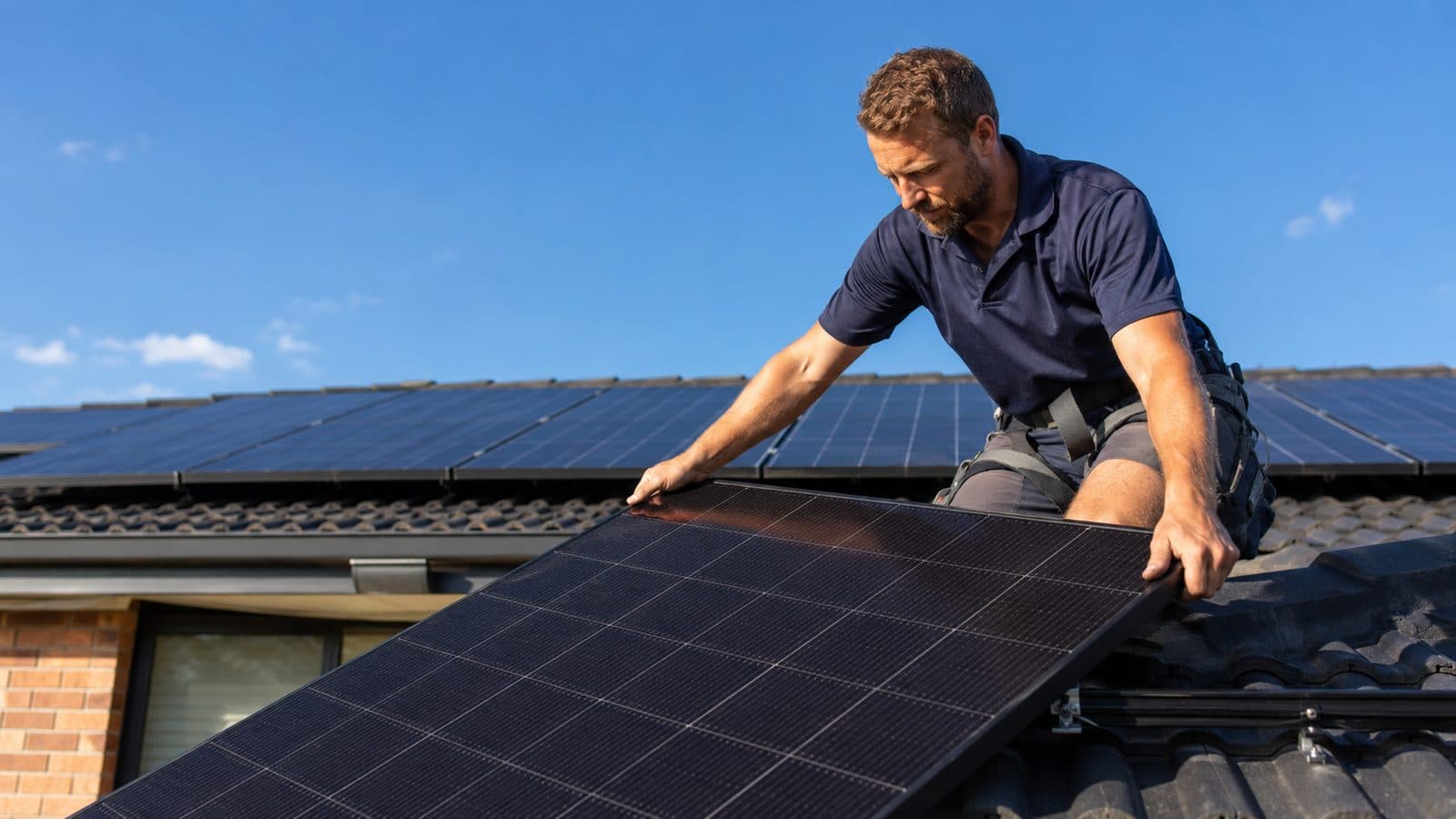
Experienced installers will ensure your system is set up efficiently and safely.
Step 03
Enjoy the Benefits
Once installed, you will immediately see the savings and benefits.
30-sec · Free · No obligation
Incentives
Government Incentives and Policies
Solar More Accessible than Ever.
Brighton residents can take advantage of government incentives to make the transition to solar more affordable. These incentives can significantly reduce the upfront cost, making solar an even more attractive option.
30-sec · Free · No obligation
FAQ
Solar Brighton FAQs
Brighton is on the United Energy distribution network, which covers Melbourne's south-east and bayside suburbs. Your connection and export approval run through United Energy, so confirm it on your bill before sizing a system.
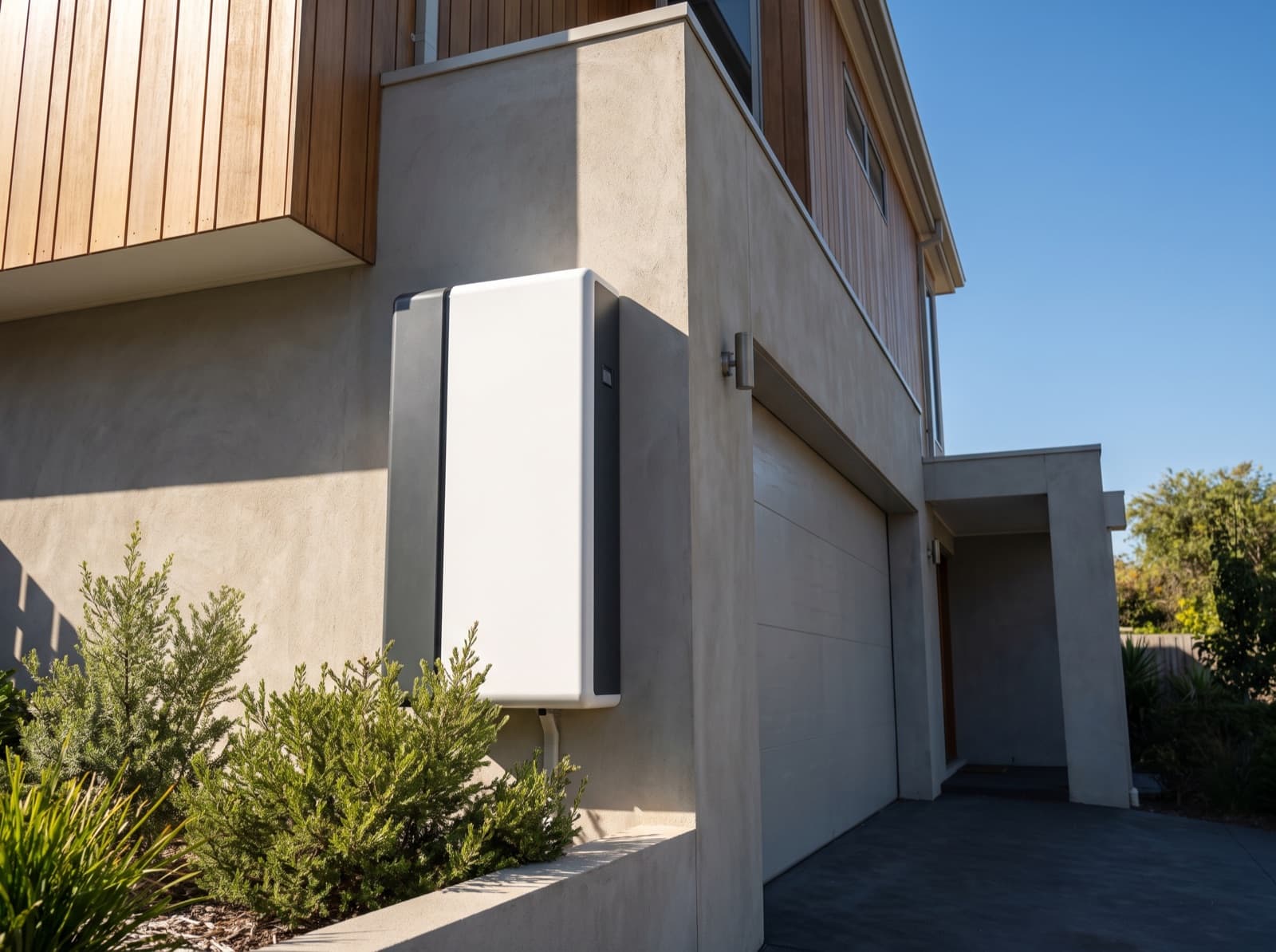
Victoria scrapped its mandated minimum feed-in tariff in July 2025, so rates are now fully retailer-set, typically around 2–8c/kWh. Because export earns so little, using your own solar during the day (or storing it in a battery) is worth far more than exporting it — which suits Brighton's larger, higher-usage homes.
Mainly the hardware. The panels handle salt air fine, but the mounting rails and fixings should be coastal-rated so they don't corrode early. It's the one Brighton-specific detail worth confirming in a quote.
Absolutely. A quality solar PV system in Brighton can pay off within approximately 2 years due to guaranteed savings on electricity bills, and it will continue generating savings for 15-25 years.
Yes, solar is a renewable and sustainable energy source, becoming increasingly affordable with Australian Government incentives. The return on investment is significant, with long-term savings even after the system is paid off.
Installing a solar system in a new home is highly beneficial. It can pay itself off in a few years and adds substantial value to your property.
A few instances may make solar unsuitable, such as a southwest or south roof orientation, lack of space on the roof, asbestos roofing, or very old and fragile roofing materials.
No, it is unsafe to install solar systems on asbestos roofs due to the health risks involved.
A good quality system includes reputable distributors and installers, quality brands of solar panels and inverters, decent warranties, and quality framing systems.
It varies, but a typical 2 adult, 2 kid household consumes between 15-30kW a day. This can be higher with additional high-energy appliances like pools or air conditioners.
Solar panels do not generate power at night. However, feed-in tariffs can offset grid electricity use during the night.
Yes, solar panels still function on cloudy days but at a reduced efficiency compared to sunny days.
The ongoing costs are minimal, mostly involving maintenance inspections every couple of years and occasional cleaning if panels are installed flat on the roof.
Most home and business insurance policies cover solar power systems, but it is recommended to check with your provider.
Before you buy
Solar guides worth reading
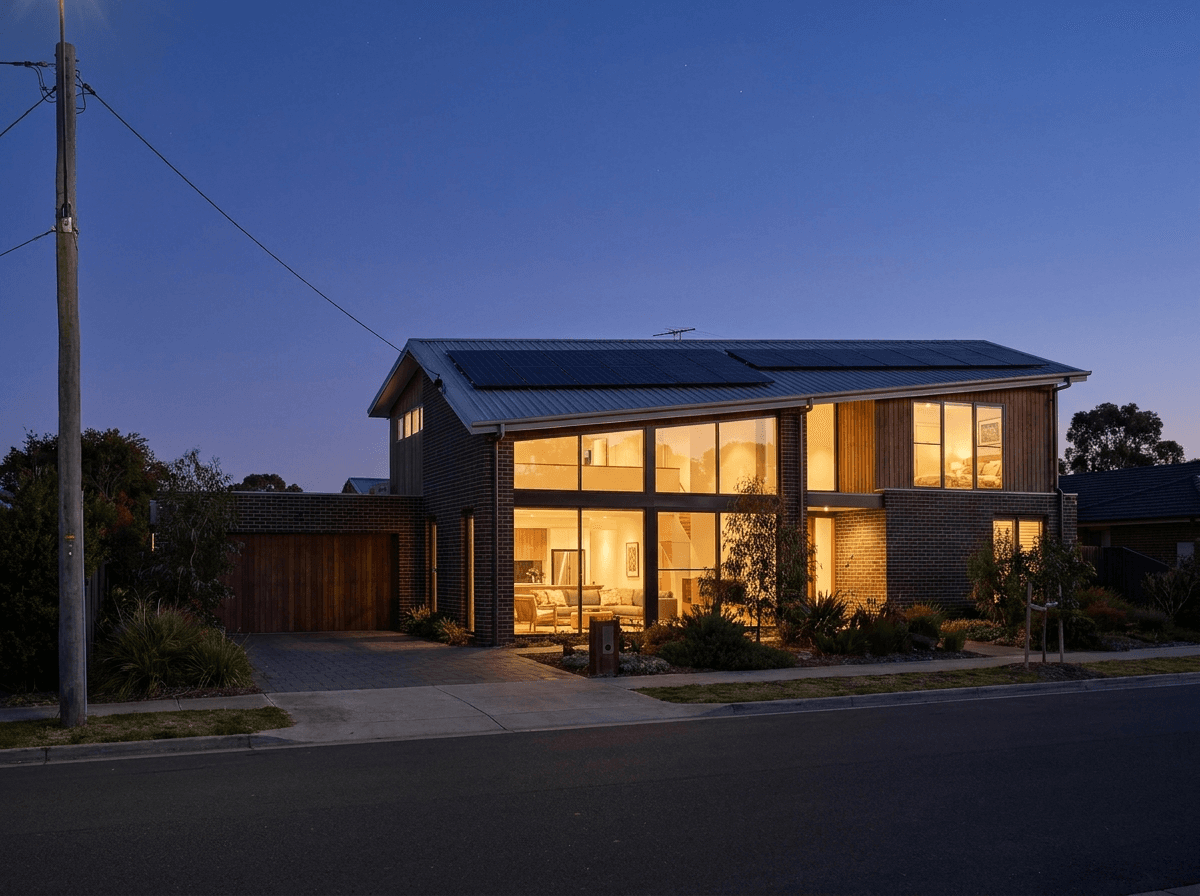
Start Saving With Solar in Brighton
Free, no obligation. Takes under 2 minutes.
30-sec · Free · No obligation